Circuit Breaker Keeps Tripping: Houston Troubleshooting Guide
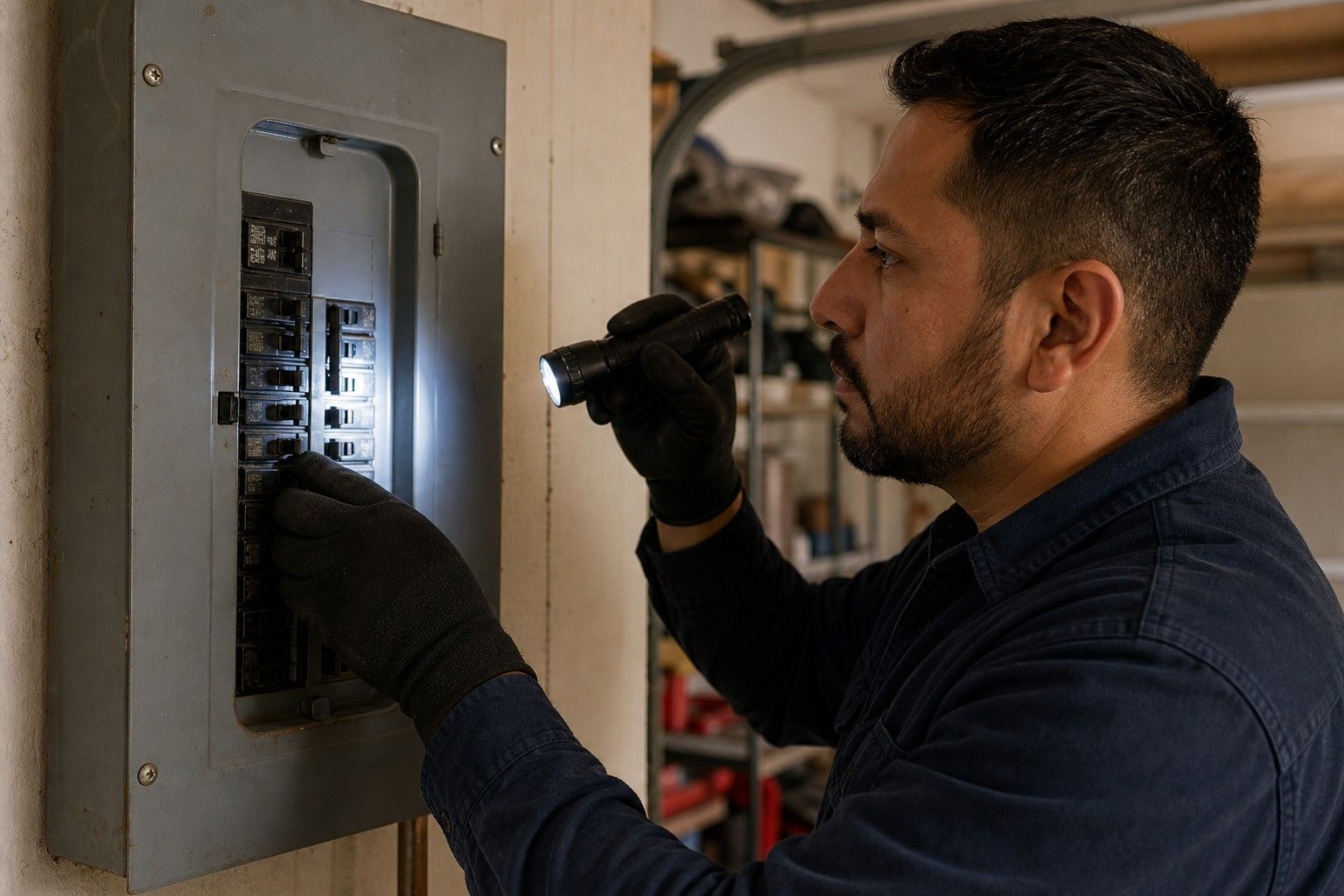
Your circuit breaker just tripped again for the third time today, and you're frustrated trying to figure out what's causing the problem. You've reset it twice already, only to have the lights go out again within minutes. Whether it's happening in your kitchen while you're preparing dinner or in your home office during an important video call, a repeatedly tripping breaker is more than just an inconvenience—it's your electrical system's way of protecting your Houston home from potentially dangerous situations.
Circuit breakers are designed to shut off power when they detect electrical problems that could lead to overheating, fires, or electrocution. When yours keeps tripping, it's doing its job by preventing a potentially hazardous situation. Understanding why this happens and knowing what you can safely troubleshoot yourself will help you determine whether you need professional help.
Ready to solve your electrical problems safely?
Common Causes of Tripping Circuit Breakers
Overloaded Circuits
The most frequent cause. Happens when drawing more current than the circuit is designed for (often 15-20 amps).
- Running multiple high-wattage appliances
- Using too many extension cords
- Adding space heaters or window ACs
Short Circuits
Occurs when hot and neutral wires touch directly. A serious issue that trips the breaker instantly to prevent fire.
- Breaker trips immediately when reset
- Burning smells near outlets
- Scorch marks around devices
Ground Fault Issues
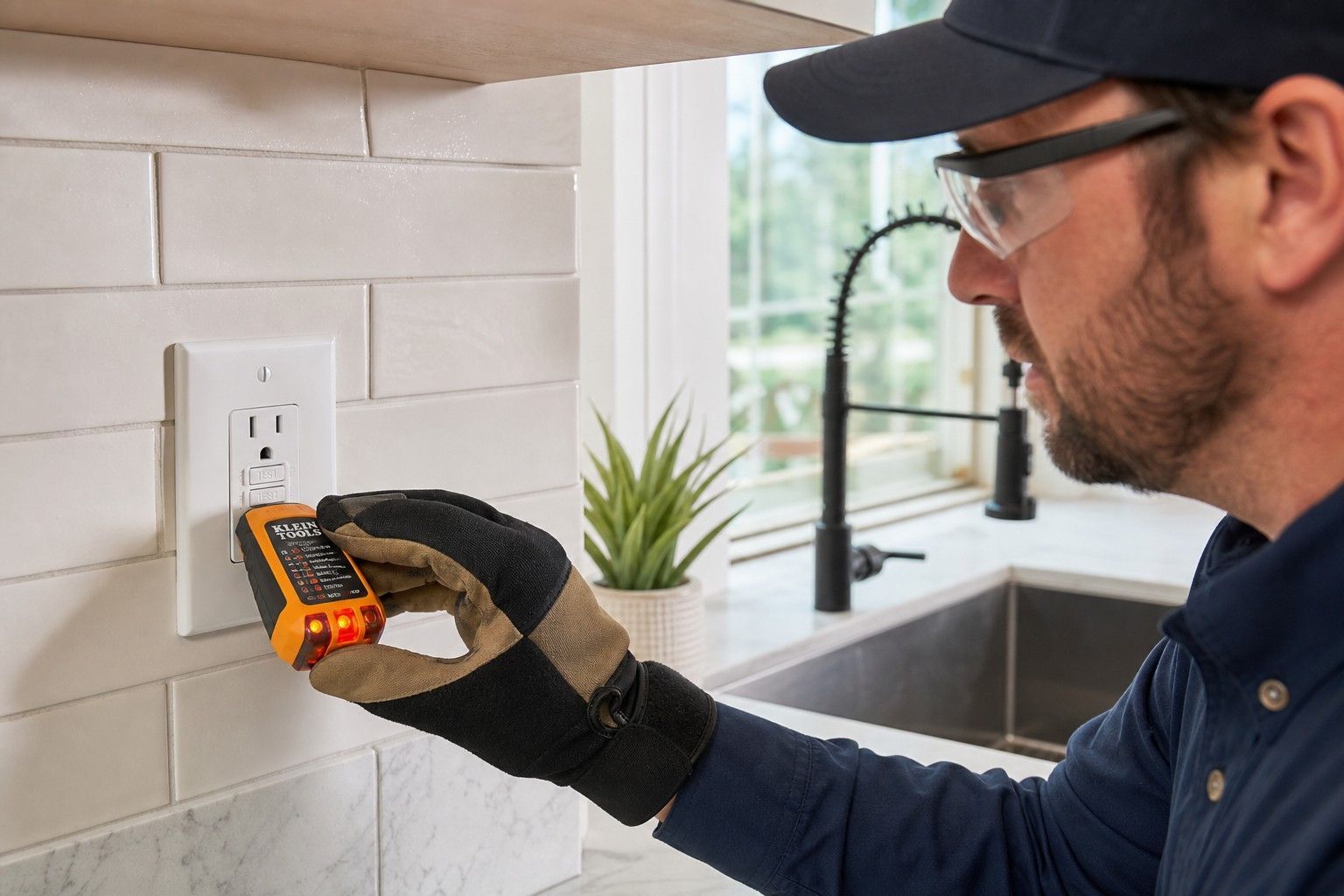
GFCI breakers trip when current flows through an unintended path (like water) to prevent electrocution.
- Appliances used near water
- Moisture in outdoor wiring
- Internal appliance faults
Appliance Malfunctions
Sometimes the system is fine, but a specific appliance is drawing excessive current due to an internal fault.
- Older appliances with motors
- Failing refrigerators or ACs
- Trips only when one device is plugged in
💡 Houston Humidity Alert
Houston's high humidity levels can cause electrical problems faster than in drier climates. Moisture can get into electrical boxes, corrode connections, and break down wire insulation. If your breakers started tripping during particularly humid weather, moisture infiltration might be the cause.
Safe Troubleshooting Steps for Homeowners
How to Properly Reset a Breaker
- Turn the tripped breaker fully to the "off" position.
- Wait 30 seconds to let internal components cool.
- Push the breaker firmly to the "on" position until it clicks.
- If it trips again immediately, stop and investigate further. Never force or tape a breaker "on".
Identifying Overloaded Circuits
- List all devices normally used on the tripped circuit.
- Find the wattage rating on each device label.
- Add up all the watts and divide by 120 to get total amps.
- Compare to your breaker's rating (15 or 20 amps). If over 80%, you need to redistribute devices or have additional circuits installed.
Systematic Device Testing
- Turn off the tripped breaker and unplug everything on that circuit.
- Reset the breaker—if it trips empty, you likely have a wiring problem.
- If it stays on, plug devices back in one at a time.
- Test each device for several minutes before adding the next.
- When the breaker trips, the last device connected is likely the problem.
🛑 When to Stop and Call a Pro
Stop troubleshooting immediately if you notice:
- Burning smells from outlets, switches, or the panel
- Scorch marks or discoloration around devices
- Outlets, switches, or breakers that feel hot
- Sparks when plugging in devices
- The main breaker keeps tripping, or multiple trip at once
Experiencing these? Call (713) 962-2797 for immediate professional assistance.
Professional Solutions for Persistent Problems
Ignoring a frequently tripping breaker increases fire hazards, risks equipment damage, and may violate code. When troubleshooting reveals problems beyond simple overloads, professional electricians provide solutions that address root causes.
- Circuit additions: Adding new circuits safely distributes load, vital for modern Houston kitchens and home offices.
- Panel upgrades: Modern panel changeouts replace 1970s/80s boxes to provide the capacity your home actually needs.
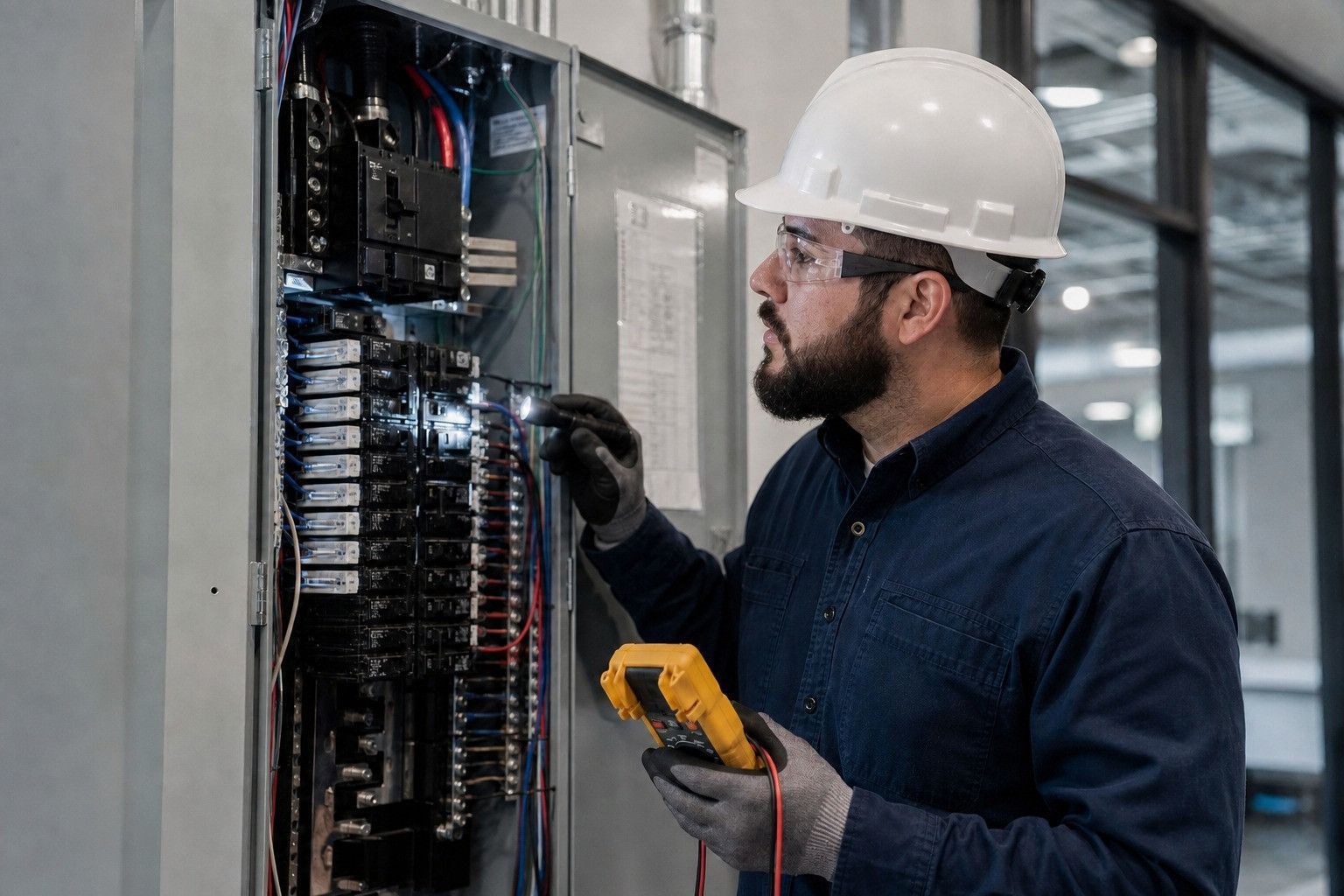
- Whole-home inspections: Identifying wiring problems, loose connections, and code violations before they become emergencies.
- GFCI/AFCI upgrades: Installing modern interrupters to protect against fires and electrocution per current Houston codes.
🌩️ Houston Storm Season Preparation
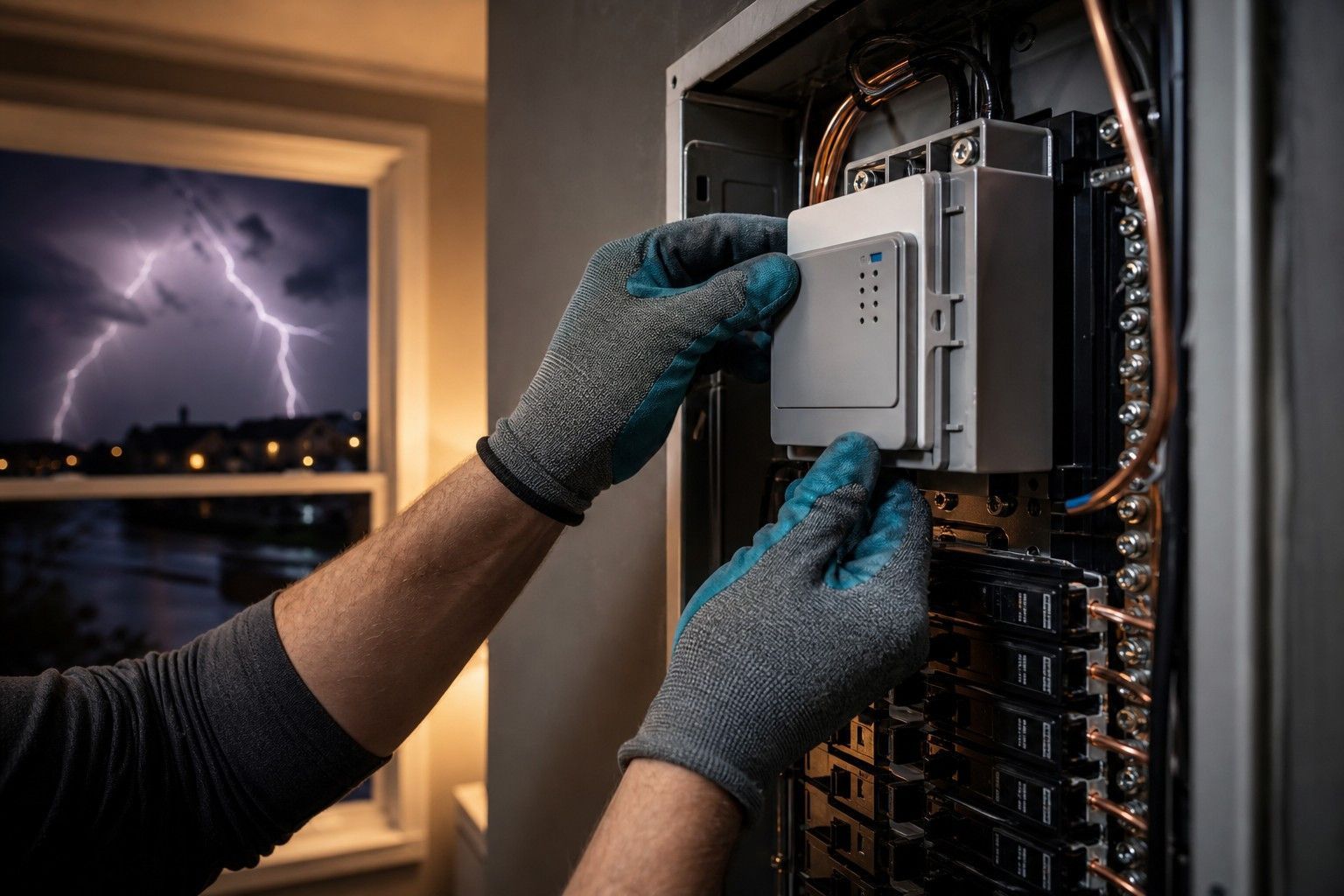
Severe weather can cause electrical problems that lead to frequent breaker tripping. Before storm season, have your system inspected and consider installing a whole-house surge protector to prevent storm-related damage.
Take Action on Your Electrical Problems
Many homeowners delay calling professionals due to cost concerns, but the expense of fixing electrical problems during a routine service call is typically much less than dealing with the consequences of ignoring them.
Whether you're dealing with overloaded circuits that need additional capacity, aging wiring that needs updating, or appliances causing faults, professional service provides the lasting solutions your home needs.
Can't solve your tripping breaker problem?
Our experienced electricians provide comprehensive electrical services with our guarantee: Done right the first time — or we make it right, period.